Manual vs. Automatic Used Cars in the UK: A 2025 Buyer's Guide
Read about Manual vs. Automatic Used Cars in the UK: A 2025 Buyer's Guide on chatMOT
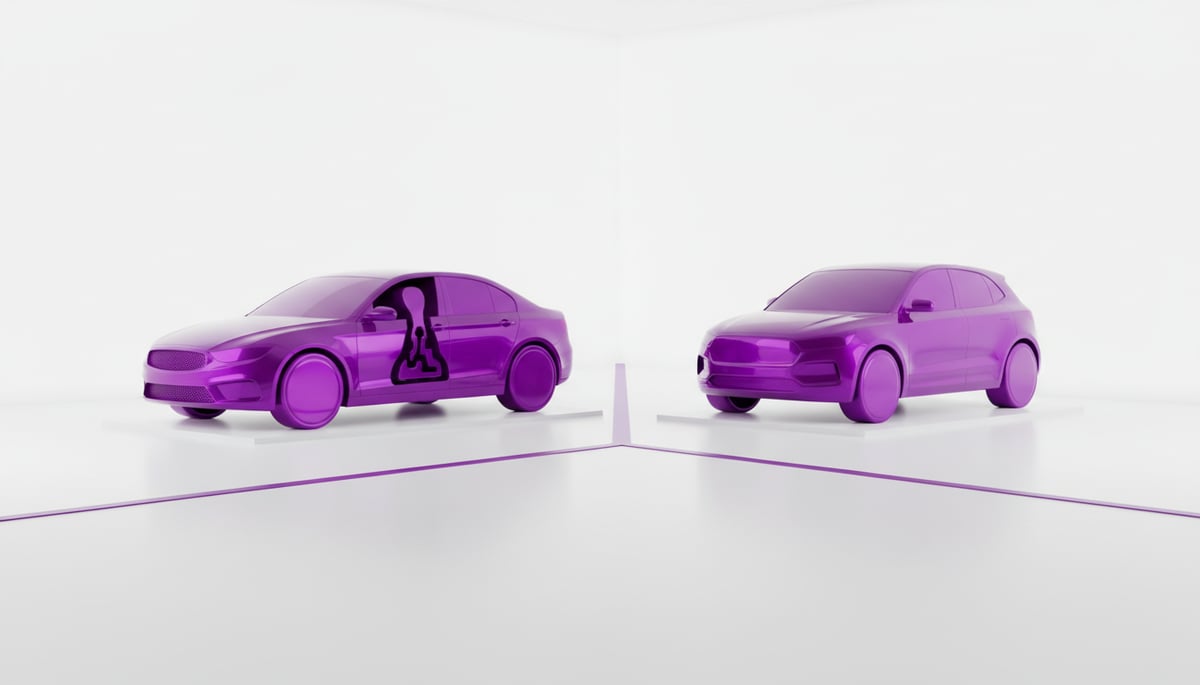
With a mere 19% of new car models now equipped with a manual gearbox, the UK's automotive landscape is undergoing a seismic shift.
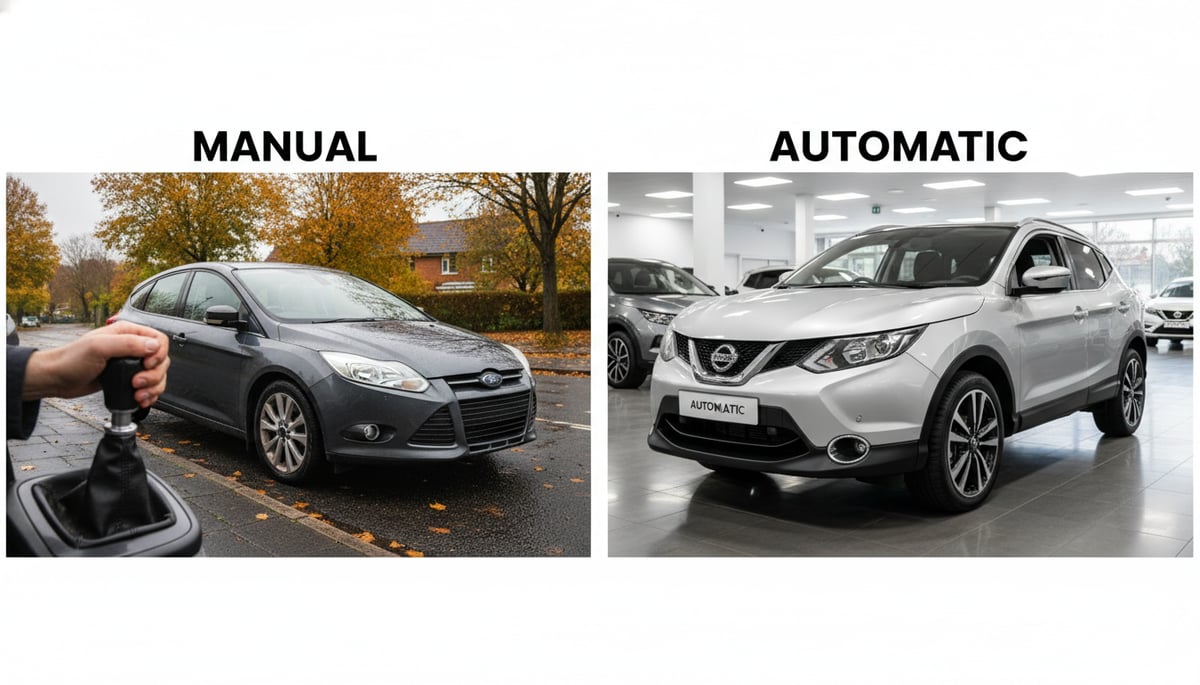
This rapid evolution means the classic manual vs. automatic debate for used cars is no longer just about driving preference; it has become a critical financial decision, encompassing purchase price, fuel efficiency, ongoing maintenance, and rapidly fluctuating resale values.
This 2025 buyer's guide provides a data-driven breakdown to navigate this evolving market. We will empower you to choose the ideal transmission for your wallet, your commute, and your future driving needs, ensuring your next used car is a smart investment, not a costly mistake.
TL;DR
The choice between a manual and an automatic used car in the UK is increasingly a trade-off between upfront cost and driving engagement versus long-term value and convenience. Understanding this evolving landscape is crucial for any car buyer.
Here 's a quick overview of the key considerations:
- Initial Cost & Repair: Manual cars typically have a lower purchase price, often £600- £1,000 cheaper upfront, and can be less expensive to repair (market data). However, their resale value for mass-market models is declining.
- Efficiency & Comfort: Modern automatic transmissions frequently offer superior fuel efficiency, by 2-5% in some cases, and provide significantly more comfort in heavy traffic, making them ideal for daily commuters.
- Resale Value: The resale value of mainstream automatic cars is strengthening and growing. Manual transmissions, outside of specific niches, are becoming less desirable in the general market.
- Niche Appeal: For enthusiast and performance vehicles, a manual gearbox can still command a premium price. Many drivers prefer the engaging experience and control it offers (Reddit sentiment: 'Automatic for traffic, manual for fun').
- Market Shift: The rapid acceleration towards electric and hybrid vehicles, which are inherently automatic in their drivetrain style, is solidifying the automatic as the de facto standard.
Ultimately, your ideal choice hinges on personal priorities: while manual offers budget-friendly entry and a connected driving feel, automatic provides modern efficiency, unmatched convenience, and a more secure future resale prospect. Researching specific models on chatmot.co.uk can help clarify these priorities.
The Shifting Gears of the UK Car Market
The UK car market is undergoing a significant transformation, with manual transmissions decisively moving into a niche role. This shift is driven by a confluence of technological evolution and changing consumer behaviour. Manual cars, once the dominant choice, are now rapidly diminishing in availability and popularity.
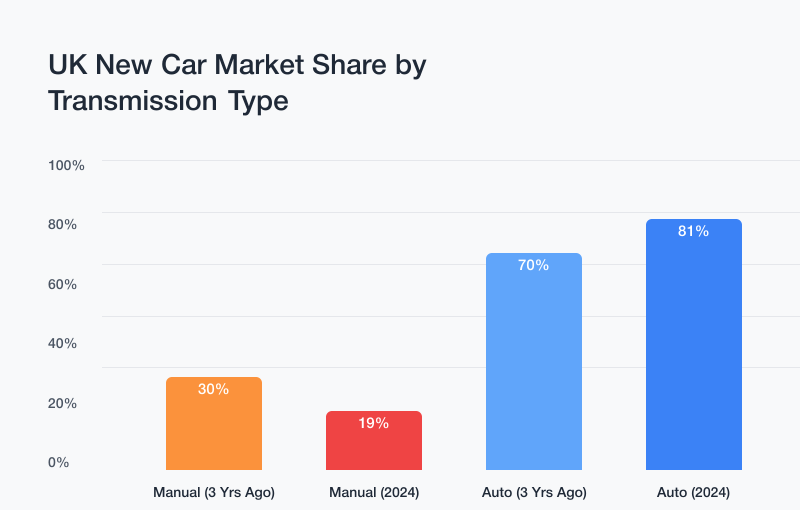
Manufacturers are increasingly prioritising automatic options. As of 2024, only 96 new car models are available exclusively with a manual transmission, a stark contrast to the 404 automatic-only models (Auto Express). This trend highlights a fundamental change in production focus. Manual cars now account for just 19% of the new car market, a sharp decline from approximately 30% just three years prior, indicating a significant and accelerating market reversal.
A key driver behind this shift is the change in how new drivers are learning. The proportion of learners passing their driving test in an automatic car has more than doubled in five years. In 2024, 21% of learners opted for an automatic-only license, compared to 9.5% five years earlier (AA Driving School figures). This indicates a growing generation of drivers who may never experience or desire a manual gearbox.
Note: The number of automatic cars on UK roads increased by a staggering 118% in the ten years leading up to 2024, showcasing a clear preference developing over time.
Furthermore, the electrification of the automotive industry is playing a pivotal role. Electric Vehicles (EVs) and many hybrid models are inherently automatic, simplifying the driving experience and aligning with modern convenience expectations. This natural progression means that as the UK moves towards a greener fleet, automatic transmissions will become the universal standard. Manufacturers are strategically reducing or eliminating manual options to streamline production and align with future market demands. The rapid adoption of EVs ensures that automatic vehicles will continue to dominate the UK roads, reshaping the used car market for decades to come.
A Financial Breakdown: Which Transmission Saves You More?
Choosing between a manual and an automatic used car in the UK isn't just about driving preference; it 's a significant financial decision impacting your wallet from purchase to resale. While tradition often points to manuals as the budget-friendly option, the modern automotive landscape paints a more nuanced picture.
Upfront Purchase Price
Historically, manual cars have presented a clear advantage in initial outlay. On average, a like-for-like used manual model typically comes with a saving of £600 to £1,000 compared to its automatic counterpart. This immediate cost reduction can be appealing, especially for budget-conscious buyers looking to keep the purchase price down.
This upfront difference reflects manufacturing costs and historical market demand. As Avalon Motors analysis consistently shows, there's a clear initial price advantage for manuals across many mainstream used segments.
Fuel Efficiency: A Surprising Turn
The common belief that manuals are always more fuel-efficient is increasingly outdated. Advancements in automatic transmission technology, especially with sophisticated 8-speed, 10-speed gearboxes, and Continuously Variable Transmissions (CVTs), have turned the tables. Modern automatics are now often 2-5% more fuel-efficient than their manual equivalents.
This translates into an annual saving of roughly £40- £120 on fuel for automatic drivers, depending on mileage and fuel prices. Their ability to consistently select the optimal gear ratio minimises engine strain and maximises efficiency in a way a human driver often can't match.
Maintenance and Repair Costs
When it comes to keeping your car running, manual transmissions typically boast simpler mechanics. This often translates into lower maintenance costs, potentially 20-30% less over the car's lifetime. A common manual repair, like a clutch replacement, usually costs between £500 and £1,000.
In stark contrast, a major automatic transmission repair can be significantly more expensive, often ranging from £1,500 to £3,000+. The complexity of automatic systems, with their intricate electronics and hydraulic components, means specialists are often required, pushing up labour and parts costs.
Note: While manual transmission repairs are generally cheaper, the frequency of repairs can vary. A well-maintained automatic might go its whole life without major issues, but when problems do arise, they are typically more costly.
Resale Value: Automatics Take the Lead
The used car market has seen a significant shift in recent years, with demand for automatics now outstripping manuals for many vehicle types. This increased demand means that for most mainstream cars, automatics now command stronger resale values. Buyers are increasingly valuing convenience.
Car Dealer Magazine reports a clear trend of declining residual values for used manual cars. In some cases, specific used manual models have been observed to be worth as much as 21% less than their automatic equivalents, highlighting a substantial long-term financial difference.
| Cost Factor | Manual Transmission | Automatic Transmission | Data Insight |
|---|---|---|---|
| Upfront Purchase | Typically £600- £1,000 cheaper | Higher initial cost | Immediate savings for manuals. |
| Fuel Efficiency | Historically better; now often less efficient | Modern automatics often 2-5% more efficient | Automatics can save £40- £120 annually on fuel. |
| Maintenance/Repair | 20-30% less expensive (e.g., clutch £500- £1k) | Significantly higher (e.g., repair £1.5k- £3k+) | Manuals win on repair affordability. |
| Resale Value | Declining; some models 21% less valuable | Stronger; high demand | Automatics offer better long-term equity. |
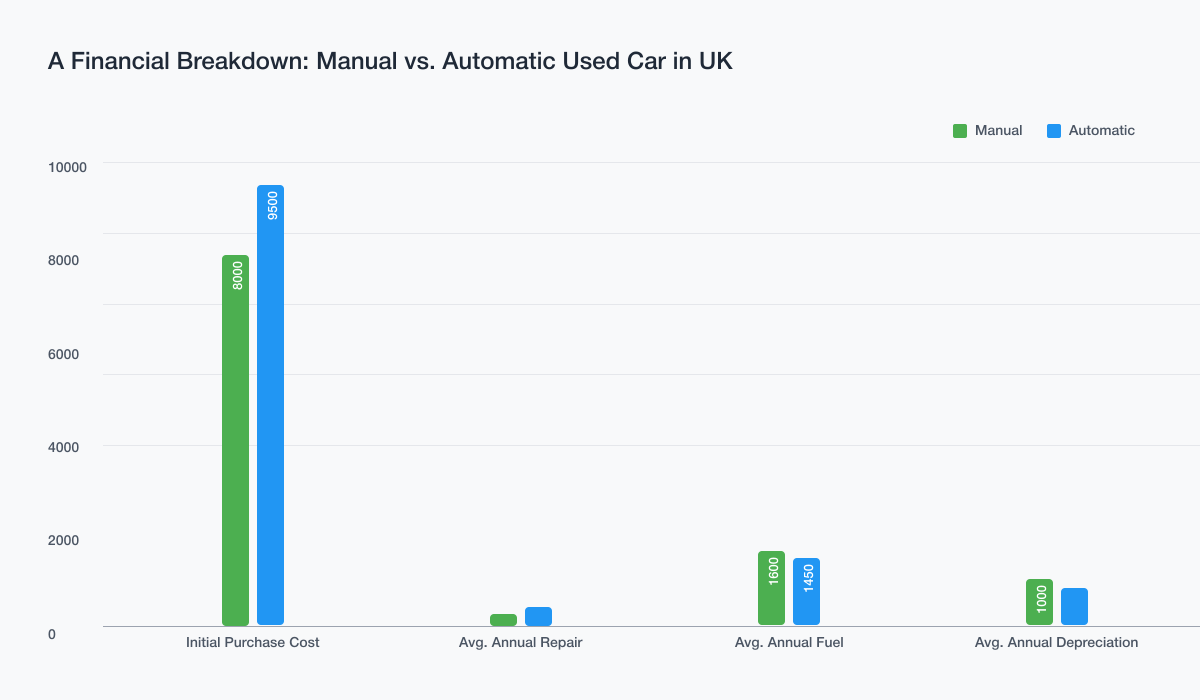
While manuals offer lower initial and repair costs, modern automatics often win on total cost of ownership when factoring in fuel efficiency and superior resale value.
The Driving Experience: Engagement vs. Ease
The choice between a manual and an automatic transmission often boils down to a deeply personal preference, reflecting what drivers value most in their time behind the wheel. It's a fundamental split between those who cherish active involvement and those who prioritise effortless comfort, creating a clear trade-off: the raw engagement and control of a manual versus the undeniable comfort and ease of an automatic.
The Enthusiast's Connection: Manual Control
For many, a manual gearbox offers an unparalleled sense of control and a truly engaging driving experience. The act of selecting gears, feathering the clutch, and feeling the engine respond creates a satisfying 'mechanical connection' to the car. This hands-on involvement is often preferred on winding rural roads or during spirited driving, where precise gear selection can make a significant difference to performance and driver satisfaction.
Enthusiasts argue that this process demands more attention, potentially increasing concentration levels on the road. Motoring press and enthusiast sites still praise specific manual cars for their superior driving dynamics, highlighting how the driver becomes an integral part of the machine's operation.
Unrivalled Comfort and Convenience: Automatic Ease
In contrast, automatic transmissions excel in providing a more relaxed and stress-free experience, particularly in the ever-present stop-and-go traffic of UK cities. By eliminating the need to constantly operate a clutch and shift gears, automatics significantly reduce driver fatigue. This is a huge benefit for daily commuters or those facing regular congestion.
User testimonials from forums like Honest John and Reddit consistently highlight driver comfort in traffic as a key reason for choosing an automatic. Many drivers, particularly those over 50, switch to automatics to avoid the physical strain and knee pain associated with clutch operation in heavy traffic. The simplicity of 'two pedals and go' makes for a smoother, less demanding journey.
The Modern Compromise
Modern automatic transmissions have evolved considerably, often incorporating manual override modes, such as paddle shifters. These allow drivers to manually select gears when desired, offering a hybrid experience. While this provides a degree of control, many purists argue it doesn't quite replicate the tactile feel and direct connection of a true manual gearbox.
Note: The debate often comes down to context. As Reddit users frequently summarise, "Automatic for traffic, manual for fun." This succinctly captures the practical versus emotional drivers behind each choice.
Ultimately, the decision rests on whether you prioritise the visceral connection and active involvement that a manual provides or the effortless convenience and reduced fatigue offered by an automatic. Your daily commute and driving style should guide this fundamental preference.
The Future-Proof Factor: Electrification and the End of the Clutch
Looking ahead, the automotive industry is undergoing its most significant transformation in a century, with electrification at its core. This inevitable shift has profound implications for transmission choices, making the automatic a far safer long-term bet. Opting for an automatic used car today is not just a choice of convenience, but an alignment with the long-term, EV-driven trajectory of the entire automotive industry.
Electric Vehicles: The Automatic Standard
A crucial point for future-proofing your purchase is understanding that all electric vehicles (EVs) operate with a single-speed transmission. This means the driving experience is inherently identical to that of an automatic car, completely eliminating the need for a clutch or traditional gear changes. The fundamental design of EVs simply has no place for a multi-gear transmission.
Therefore, becoming comfortable with an automatic transmission now provides a seamless transition to the electric future. It prepares a driver for the inevitable experience of EV ownership.
UK Policy and Market Evolution
The UK's 2030 ban on the sale of new petrol and diesel cars is rapidly approaching, signalling an irreversible shift towards an automatic-dominated future. This policy, combined with a decline in consumer demand for manuals, means the market is already adapting. Many manufacturers have already dropped manual options for specific models due to lack of demand and to align with their hybrid and EV roadmaps.
Data on declining manual sales and the rise of auto-only driving licenses clearly shows the consumer market is already embracing this future. This trend suggests that manual cars will become increasingly niche, impacting everything from availability to expertise.
Maintenance and the Shrinking Skills Gap
As manual cars become rarer, a practical concern arises: the shrinking pool of mechanics skilled in their repair. Over time, finding qualified technicians for complex manual gearbox issues may become more challenging, potentially increasing future maintenance complexity or costs. The expertise will naturally gravitate towards the dominant technologies.
Note: Driving an automatic today offers significant 'long-term adaptability benefits' for the transition to EVs, ensuring your driving skills remain relevant and your vehicle choice aligns with future market needs.
Choosing an automatic used car today isn't merely about current convenience; it's a strategic move that aligns with the inevitable evolution of driving, making your vehicle choice more relevant for years to come.
The debate between manual and automatic used cars in the UK for 2025 is clearly multifaceted, extending beyond personal driving style to impact your wallet significantly. Navigating this evolving landscape requires a data-driven approach to ensure your next vehicle aligns with both your immediate needs and long-term financial foresight.
Here are the key takeaways to guide your decision:
- Cost vs. Resale: Manual cars typically present a lower initial purchase price and potentially reduced repair costs. However, their resale value for mainstream models is steadily declining as the market shifts.
- Efficiency & Comfort: Modern automatic transmissions often deliver superior fuel efficiency (by 2-5%) and unmatched comfort in urban traffic, making them increasingly appealing to commuters. Their mainstream resale value is strengthening.
- Future Market: The automotive industry's rapid move towards electrification solidifies the automatic gearbox as the default standard. Manuals are increasingly becoming a niche preference for enthusiasts seeking an engaging driving experience in performance vehicles.
Ultimately, your ideal transmission choice hinges on a careful evaluation of your budget, driving preferences, and future-proofing considerations. It 's about making a deliberate, informed decision rather than a costly mistake.
To make the smartest investment, empower yourself with comprehensive vehicle data. Thoroughly compare different models, check their full history, and understand all associated running costs before you buy. This ensures clarity and confidence in your purchase, securing a vehicle that truly meets your needs for the years ahead.
Tags
Related Articles

AI vs. Manual: Master Your Content Flywheel for Growth

Why Manual Content Creation Is Now a Strategic Disadvantage: Embrace AI for Growth