
The Rise of Data-Driven Car Buying in the UK: A Trend Report
Read about The Rise of Data-Driven Car Buying in the UK: A Trend Report on chatMOT
The UK automotive market is in the midst of a profound transformation. With a staggering 95% of car shoppers now commencing their buying journey online, the power dynamic has fundamentally shifted from the traditional dealership model to the highly informed, data-driven consumer.
This comprehensive report meticulously analyzes the pivotal trends, compelling statistics, and evolving consumer expectations that are redefining the future of car buying across the UK. Today’s buyers arrive at showrooms better informed and with elevated demands, making pricing transparency, exceptional customer service, and a truly seamless digital-to-physical experience absolute non-negotiables. Embracing transparency, exceptional service, and a seamless digital-to-physical experience is now paramount for thriving in the UK’s evolving automotive market.
TL;DR
The UK automotive market is navigating a period of profound change, driven by an empowered, digital-first consumer. Understanding and adapting to these shifts is crucial for any stakeholder in the industry. Here’s a concise summary of the critical trends shaping the road ahead:
- Digital-First Engagement: UK car buyers are extensively online, typically visiting 4.2 websites and investing 14 hours in research before making a purchase (Cox). This underscores the absolute necessity of a robust and engaging online presence.
- Shifting Customer Priorities: Modern buyers now prioritise clear price transparency (44%) and excellent service (58%) over traditional sales tactics. Model variety is also a key factor for 54% of consumers, reflecting a strong desire for choice and clarity (various sources).
- EV Market Growth: The electrification trend is rapidly segmenting the market. Battery Electric Vehicles (BEVs) alone accounted for 23.3% of all new cars sold in September (Deloitte), indicating significant opportunities for both established and new brands, alongside emerging technologies.
- Value of Phone Calls: Despite extensive digital research, phone calls remain a critically high-intent conversion point. Callers are observed to convert 30% faster than typical web leads (Forrester), underscoring the vital importance of optimising call handling processes.
- Premium on Experience: A superior customer experience has become a powerful differentiator. A notable 54% of buyers are willing to pay more for an outstanding experience, making it a critical competitive advantage in a crowded market.
Ultimately, success in today's auto market hinges on mastering the digital journey, consistently prioritizing customer experience, and meticulously optimizing high-value human touchpoints like phone calls.
Brief: The New Rules of the Road
The automotive industry in the UK is undergoing a radical transformation, moving away from conventional sales models towards an era defined by digital empowerment and heightened consumer expectations. The traditional playbook no longer applies; new rules are emerging that demand agility, transparency, and an unwavering focus on the customer journey.
This section introduces the foundational shifts reshaping how vehicles are bought and sold, highlighting the paramount importance of understanding the modern buyer's path, their evolving demands, and the disruptive forces of electrification. Navigating this new automotive landscape requires a strategic recalibration, placing digital engagement and customer-centricity at the core of every operation.
The Modern Buyer's Journey: From Search Engine to Showroom
The path a UK car buyer takes today is vastly different from a decade ago, characterised by an inverted funnel where extensive self-education precedes any direct contact. Consumers are now highly informed, often near decision-ready, by the time they reach a dealership. This fundamental change repositions the role of the salesperson from an information provider to a facilitator of experience and final details.

The Search Engine Starting Line
The journey invariably begins on search engines. A significant 76% of both new and used vehicle shoppers initiate their research with an online search (LSA). This initial step isn't just about finding cars; it's about understanding models, comparing specifications, and grasping pricing dynamics. These early searches form the foundation of a buyer's knowledge base, guiding their subsequent digital exploration.
The Deep Dive Online
Once a search is initiated, consumers embark on a thorough online investigation. This phase is remarkably intensive, with the average automotive shopper spending nearly 14 hours online during their search process (Cox). They are not merely browsing; they are engaging in deep comparisons, visiting an average of 4.2 different websites to gather comprehensive information (Cox). This extensive self-education means buyers arrive with detailed questions, often knowing more about specific models than some sales staff.
Note: This deep online research effectively shifts the "information power" from the seller to the buyer, demanding a more consultative, less prescriptive sales approach.
Mobile's Indispensable Role
Mobile devices are no longer secondary tools in this journey; they are critical. The average automotive shopper dedicates 33% of their total research time to a mobile device (J.D. Power). This highlights the need for mobile-optimised websites and content, ensuring seamless access to information regardless of location. From quick price checks to in-depth reviews, mobile platforms facilitate continuous, on-demand research, fitting into the busiest of schedules.
The Power of Video Content
Video content has emerged as a particularly influential element in the consideration phase. Buyers are increasingly turning to platforms like YouTube to visualise their potential purchase. Watch time of 'test drive' videos, for example, has grown by more than 65% in the past two years (Google). These videos offer an immersive, vicarious experience, allowing buyers to virtually 'test' a car's performance, features, and comfort from their own homes, further delaying the need for a physical dealership visit. The visual nature of video content builds trust and familiarity, enabling buyers to narrow down choices effectively.
The modern car buying journey is an intricate tapestry of digital touchpoints, making the online presence and experience of dealerships absolutely critical for engaging today's informed consumer.
What UK Car Buyers Demand in 2025: Transparency, Service, and Choice
The UK automotive market is undergoing a significant transformation, with car buyers now holding more power and higher expectations than ever before. Modern dealerships are no longer just selling cars; they are selling trust and a seamless experience, with transparency and service as the new currency. This shift demands a strategic re-evaluation of how customer interactions are managed, both online and in person.
The Primacy of Exceptional Customer Service
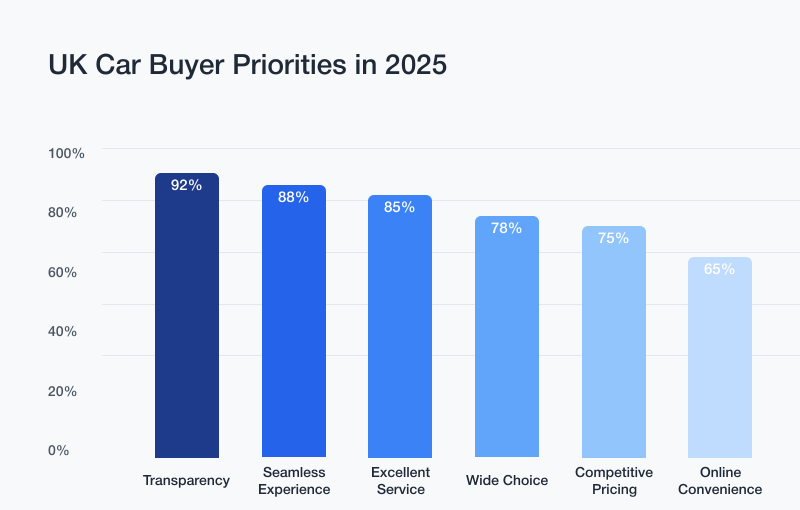
At the heart of a buyer's decision is the quality of their experience. A staggering 58% of car buyers consider excellent customer service the single most important factor when choosing a physical dealership (Mintel). This isn't just about friendly greetings; it encompasses responsive communication, knowledgeable staff, and a hassle-free purchasing journey. In fact, 54% of buyers would even pay more for a superior experience (Invoca).
Think of it this way: a customer who feels respected and understood from the initial enquiry to the final handover is more likely to become a loyal advocate. This foundational trust builds a relationship that extends far beyond a single transaction.
The Dual Pillars: Variety and Pricing Transparency
Beyond service, buyers are actively seeking broad options and clear financial information. A wide variety of available car models is a key draw for 54% of consumers (Mintel), indicating a desire for choice that caters to diverse needs and preferences. This ensures buyers can find a vehicle that perfectly matches their lifestyle without feeling limited.
Equally critical is pricing transparency, cited as a top priority by 44% of car buyers (Mintel). This means clear, upfront pricing with no hidden fees or complex jargon. In an age of instant online comparisons, buyers expect to see the full financial picture early in their journey. Dealerships that provide this clarity foster immense confidence.
The Influence of Accessible Financing
Economic realities significantly shape purchasing decisions, and accessible financing plays a crucial role. Good financing options are a major influencer for 41% of buyers (Mintel), reflecting the current economic climate where flexible payment solutions can make vehicle ownership attainable. Dealerships offering competitive rates, clear terms, and a range of choices, from traditional loans to Personal Contract Purchases (PCP), stand to gain a significant advantage.
This isn't merely about securing a sale; it's about helping customers manage their budgets effectively. Presenting financing options early and transparently empowers buyers to make informed decisions about their affordability.
Crafting a Buyer-Centric Experience
To meet these evolving demands, dealerships must adopt a truly buyer-centric approach. This involves integrating digital tools that provide initial transparency with in-person interactions that deliver exceptional service and a broad selection. The combined effect fosters an environment where trust flourishes.
Consider implementing a detailed digital showroom with accurate pricing and diverse models, then ensuring your sales teams are equipped to offer personalised service and clear financing explanations.
Note: Focusing on these core demands—service, variety, transparency, and financing—is not just about competitive edge, but about redefining the very nature of car sales in the UK.
The modern UK car buying experience is undeniably defined by a demand for clear communication, diverse options, and, above all, unwavering trust at every stage of the journey.
The EV Revolution and Market Fragmentation
The automotive industry stands at an inflection point, with the transition to electric vehicles (EVs) representing the single biggest catalyst for market disruption. This seismic shift is dismantling long-standing brand loyalties and fostering a more competitive and fragmented landscape across the UK. Traditional market structures are giving way to a new era driven by technology, sustainability, and evolving consumer preferences.

Shifting Tides: The Decline of Petrol and Rise of EVs
The dominance of petrol vehicles is steadily declining as electric and hybrid sales accelerate. This isn't a futuristic prediction; it's a current reality reflected in market data. Battery Electric Vehicles (BEVs) alone accounted for 23.3% of all new cars sold in September (Deloitte), demonstrating their significant and growing market presence. This rapid adoption is reshaping everything from infrastructure needs to service expertise.
As more models become available and charging infrastructure expands, the move towards electrification will only intensify.
The Erosion of Brand Loyalty
A profound consequence of the EV transition is the erosion of traditional brand loyalty. When customers switch to electric vehicles, they are more likely to try different models and manufacturers (Deloitte). This phenomenon creates an unprecedented opportunity for new brands and a significant challenge for established ones to retain their customer base. Buyers are prioritising factors like range, charging speed, and advanced software features over historical brand association.
This shift presents a critical moment for brands to innovate and differentiate beyond their legacy.
| Buying Factor | Traditional Petrol/Diesel | Electric Vehicle (EV) |
|---|---|---|
| Primary Focus | Brand Legacy, Engine Size | Range, Charging Time |
| Fueling | Petrol Station Access | Home/Public Chargers |
| Maintenance | Established Dealerships | Specialised EV Service |
| Environmental | Lower Priority | High Priority |
| Technology | Infotainment, Safety | Battery Mgmt, Software |
The Influx of New Entrants and Market Fragmentation
This evolving landscape is further fragmented by a wave of new entrants, particularly from China. These manufacturers are aggressively competing on several fronts:
- Technology: Offering advanced infotainment systems and cutting-edge autonomous features.
- Price: Providing highly competitive pricing strategies to attract budget-conscious buyers.
- Range: Delivering impressive battery ranges that effectively alleviate 'range anxiety'.
As a result, the market share of incumbent brands is shrinking; the share of the top 10 brands has decreased from 60% to 55% over the past two years (Deloitte). This increased competition means more choice for consumers but also a more complex and challenging environment for established players.
Addressing Adoption Barriers
Despite the surge in EV interest, some significant barriers remain. Upfront cost continues to be a primary deterrent for EV adoption for a majority of Brits (YouGov). Addressing this requires innovative financing solutions, compelling government incentives, and perhaps even flexible subscription models to make EVs more accessible. Overcoming these hurdles will be key to sustaining the momentum of the EV revolution.
The market's future will be defined by agility, innovation, and an unwavering focus on consumer value as the electrification of the automotive industry accelerates at an unprecedented pace.
The Undervalued Lead: Why Phone Calls are a Goldmine
In an increasingly digital-first world, it's easy to assume that all valuable customer interactions happen exclusively online. However, for UK car buyers, the human connection offered by a phone call is a powerful conversion tool, yet it remains the most common point of failure in the automotive sales process. Overlooking the inbound phone call is akin to leaving money on the table, as these leads are uniquely primed for conversion.
The Digital Journey's Human Culmination
The extensive online journey for a vehicle often culminates in a simple, direct action: a phone call. Data shows that 61% of new and used vehicle shoppers contact the dealership by calling after an online search (LSA). This indicates that while digital research is crucial for information gathering, many buyers reach a point where they need direct, personal interaction to clarify specific details, ask nuanced questions, or arrange a visit.
This makes the inbound call a high-intent moment, signaling a serious buyer ready to take the next crucial step.
The Unmatched Value of a Call Lead
Phone leads are not just numerous; they are incredibly valuable in terms of conversion and long-term retention. Callers convert an impressive 30% faster than typical web leads (Forrester), indicating a more accelerated sales cycle. Furthermore, the caller retention rate is 28% higher than the web lead retention rate (Forrester), suggesting these customers are more loyal and possess a higher customer lifetime value. These statistics paint a clear picture: calls represent a goldmine of highly qualified, ready-to-buy customers.
The Pitfalls of Poor Call Handling
Despite their immense value, phone leads are frequently mishandled, leading to significant lost opportunities. A shocking 72% of dealership agents don’t ask the caller for an appointment (Dealix), a critical omission that prevents the lead from progressing to a physical visit. This failure to guide the conversation effectively means many high-intent callers simply disappear from the sales funnel.
Moreover, the impact of a bad call experience is significant: 38% of consumers will stop doing business with a company if they have a single negative call experience (Invoca). This highlights the fragility of customer relationships and the critical need for well-trained, empathetic staff.
Caution: Failing to effectively manage inbound calls can negate all the effort and investment in driving traffic to your digital platforms. It’s the final mile where many sales are won or lost.
Recognising the Call's Strategic Importance
The good news is that marketers are increasingly aware of this channel's importance. A substantial 85% of marketers agree that inbound calls are a key component of their digital-first strategy. This recognition underscores a growing understanding that digital and traditional channels must work in harmony, with calls serving as a vital bridge to conversion. Implementing conversation intelligence tools can transform how these calls are managed, providing invaluable insights into agent performance and evolving customer needs.
Ensuring every inbound call is handled with skill, precision, and a clear path to action is paramount for unlocking the full potential of your sales pipeline and converting high-intent leads.
The UK automotive market is undeniably transforming, moving away from traditional models towards a landscape shaped by empowered, data-driven consumers. The insights presented in this report underscore a seismic shift in how buyers research, evaluate, and ultimately purchase vehicles. Understanding these new dynamics is not just advantageous, but absolutely essential for anyone involved in the automotive sector.
To recap, key takeaways for navigating this evolving market include:
- The modern UK car buyer is unequivocally digital-first, dedicating significant time to online research across multiple platforms before engaging directly with dealerships.
- Buyer priorities have fundamentally shifted towards absolute price transparency, exceptional customer service, and diverse model choice, now outweighing traditional sales approaches.
- Market fragmentation, driven by the rise of EVs, combined with the critical, high-intent nature of interactions like phone calls, demands a truly integrated and superior customer experience across all touchpoints.
The future of car buying in the UK is clearly digital, personalized, and consumer-centric. Adapting proactively to these demands is paramount for sustained success and growth.
For buyers, this means more power at their fingertips, enabling smarter, more informed decisions. Leveraging comprehensive data and advanced analytical tools can empower you to confidently navigate the complexities of the market, ensuring peace of mind with every purchase.
Ultimately, embracing these transformative shifts and putting the empowered consumer at the heart of every strategy will define leadership and success in the new era of UK automotive.